Understanding Hard Water and Its Effects
Before we dive into industrial water softening plants, it is essential to understand what hard water
is and how it affects different industries. Hard water is water that contains a high level of
dissolved minerals, mainly calcium and magnesium. This occurs when water passes through rocks and
soil, dissolving these minerals and making them present in the water.
The effects of hard water on industries are numerous and can be felt in various areas such as
manufacturing, agriculture, and mining. One significant effect of hard water is the buildup of scale
in industrial equipment, reducing their efficiency and lifespan. Hard water can also affect the
quality of products, decrease yield, and increase maintenance costs.
How Does an Industrial Water Softening Plant Work?
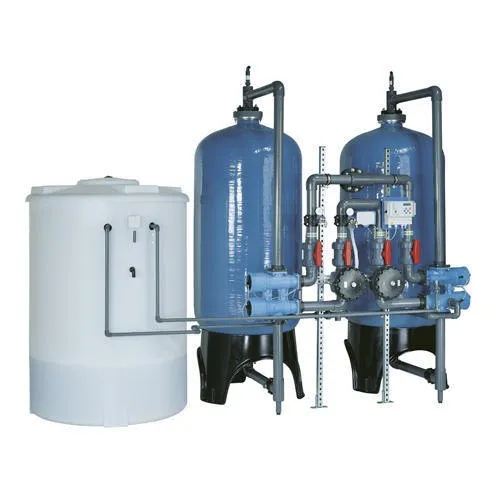
Industrial water softening plants work by using a process called ion exchange to remove minerals
from hard water. The process involves the use of a resin bed, which contains ion exchange resin
beads that attract positively charged ions such as calcium and magnesium. As hard water passes
through the resin bed, the minerals attach to the resin beads, leaving soft water that is free from
excess minerals.
There are two types of industrial water softening plants: salt-based and salt-free. Salt-based
systems use a brine tank to regenerate the resin bed, while salt-free systems use other methods such
as catalytic conversion or magnetic fields to remove minerals from hard water.
Advantages of Using an Industrial Water Softening Plant
The advantages of using an industrial water softening plant are numerous and can be enjoyed by different
industries. For industries that rely on water, such as manufacturing, agriculture, and mining, an
industrial water softening plant can increase efficiency, reduce maintenance costs, and prolong the
lifespan of equipment. Soft water can also improve the quality of products, increase yield, and reduce
downtime caused by equipment breakdown.
For domestic users, an industrial water softening plant can improve the quality of water by removing
excess minerals that cause scale buildup, leaving the water cleaner and fresher. Soft water also
requires less detergent to wash clothes and dishes, reducing water usage and detergent costs.